NATURE

Hexham Space for Nature

Through its many projects, Hexham Space for Nature volunteers aim to change the way we manage our open spaces, parks and gardens for the benefit of wildlife.

To help us understand more about the wildlife that is using the spaces we’re creating and improving, you can help us by recording what you see. There are apps to help you do this and a guide to help you get started here .

Sign up via our Get Involved page to find out about the latest activities and volunteering opportunities.  


Schedule

Everybody is welcome. Please contact us to confirm your attendance.
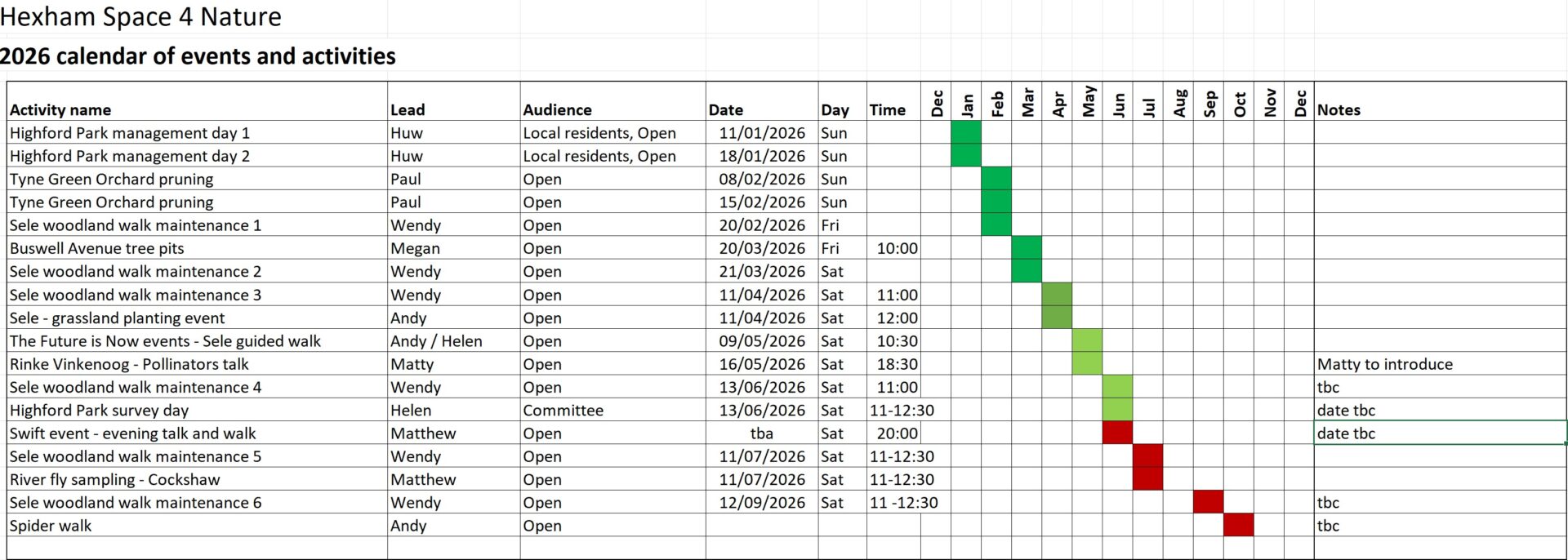
Hexham Space 4 Nature proposed events 2026

The Sele & Abbey Grounds

We’ve been collaborating with Northumberland County Council to make management changes in the Sele and Abbey Grounds.

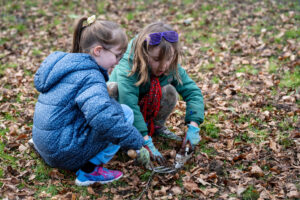
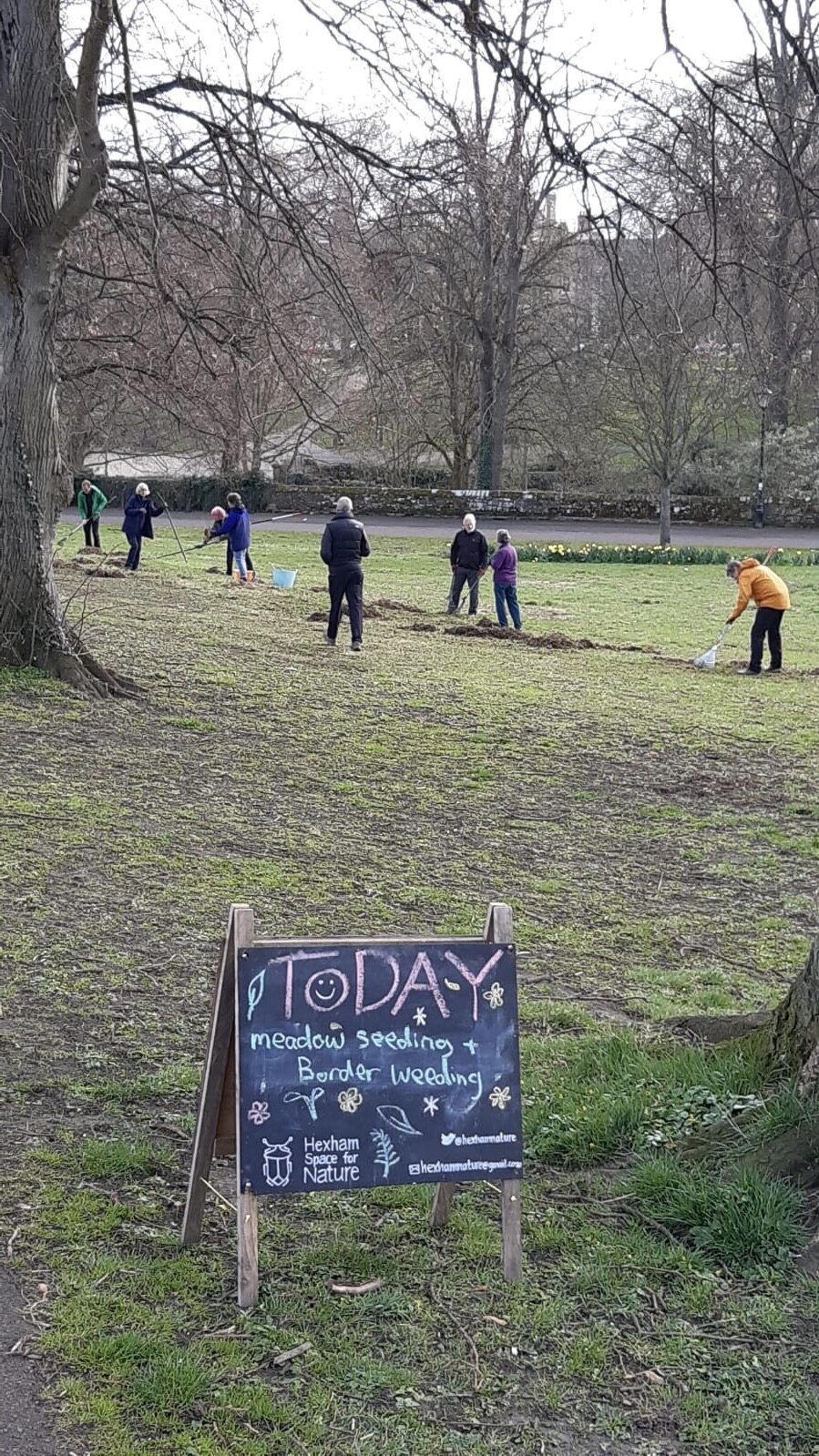
Volunteers tend to the ‘woodland border’ on the top wall of the Sele park by planting wildflower plugs and removing more competitive plants such as nettles and creeping buttercup. As a result, where there was once a herbicide-sprayed strip of bare earth along the top wall of the park, there is now a wildlife-friendly border for people to enjoy as they walk along the adjacent path.
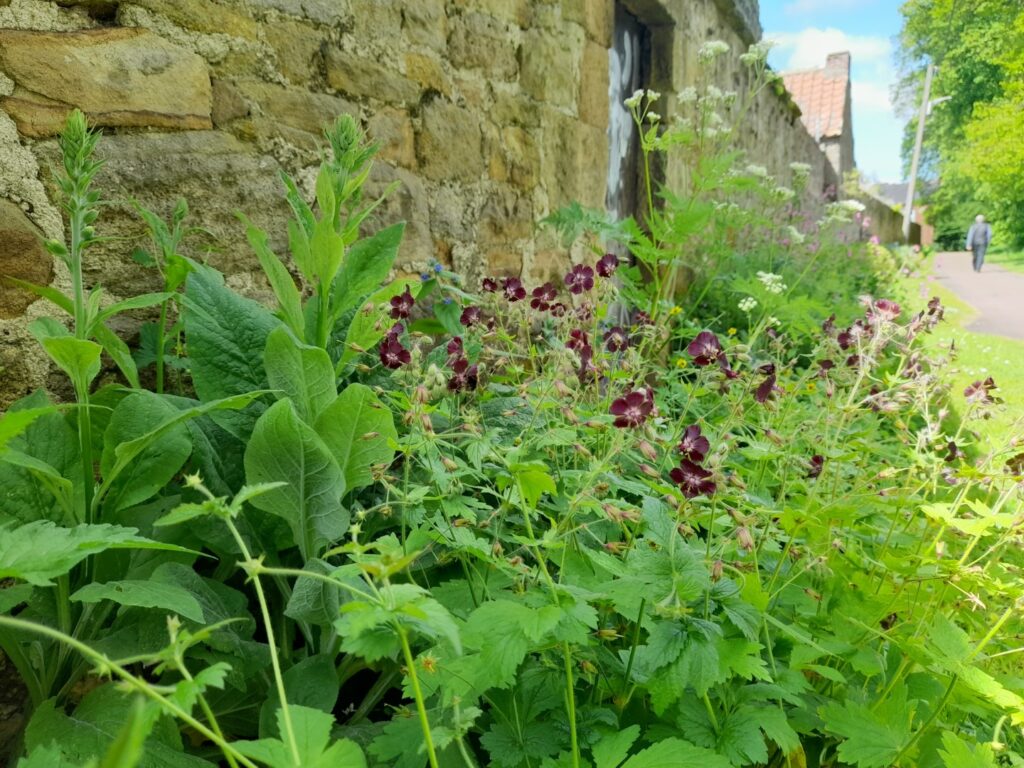
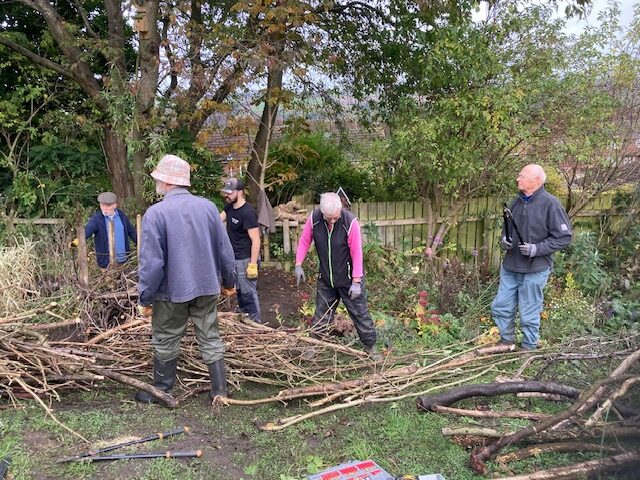
In Hexham House grounds a group of skilled volunteers continue to improve the once neglected long border with sustainability and pollination in mind. They are bringing the same ideas to a difficult-to-manage shady area known as the Glade, with new and donated planting.
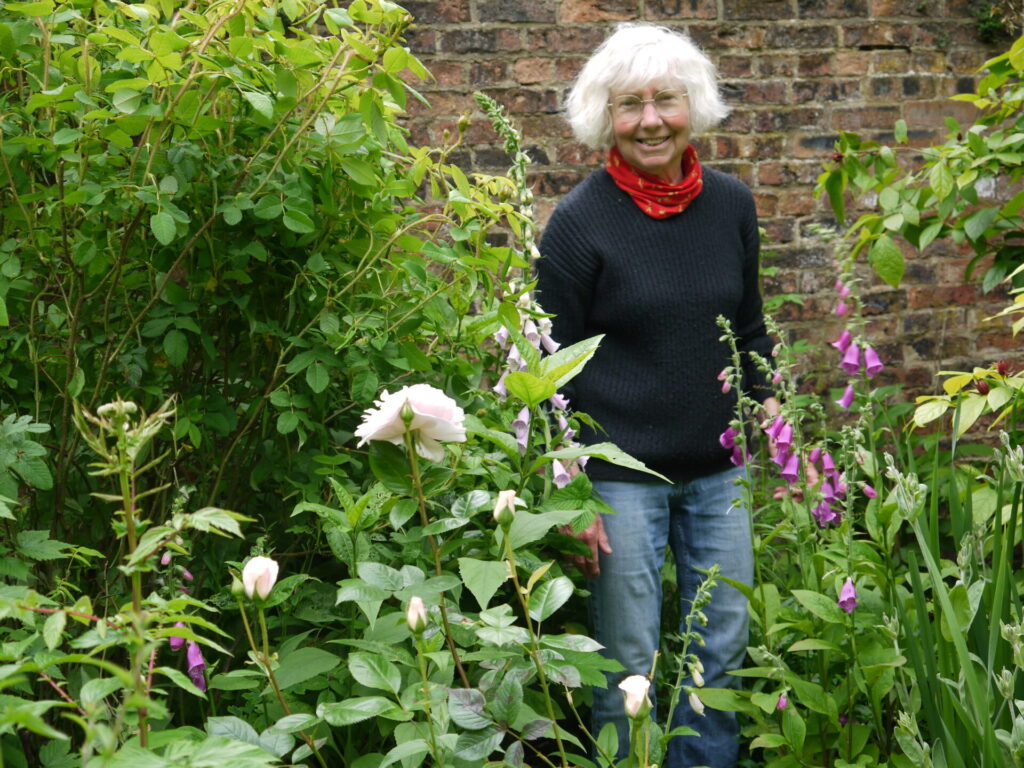
The work receives lots of compliments and has the support of NCC Neighbourhood Services staff.

The Sele

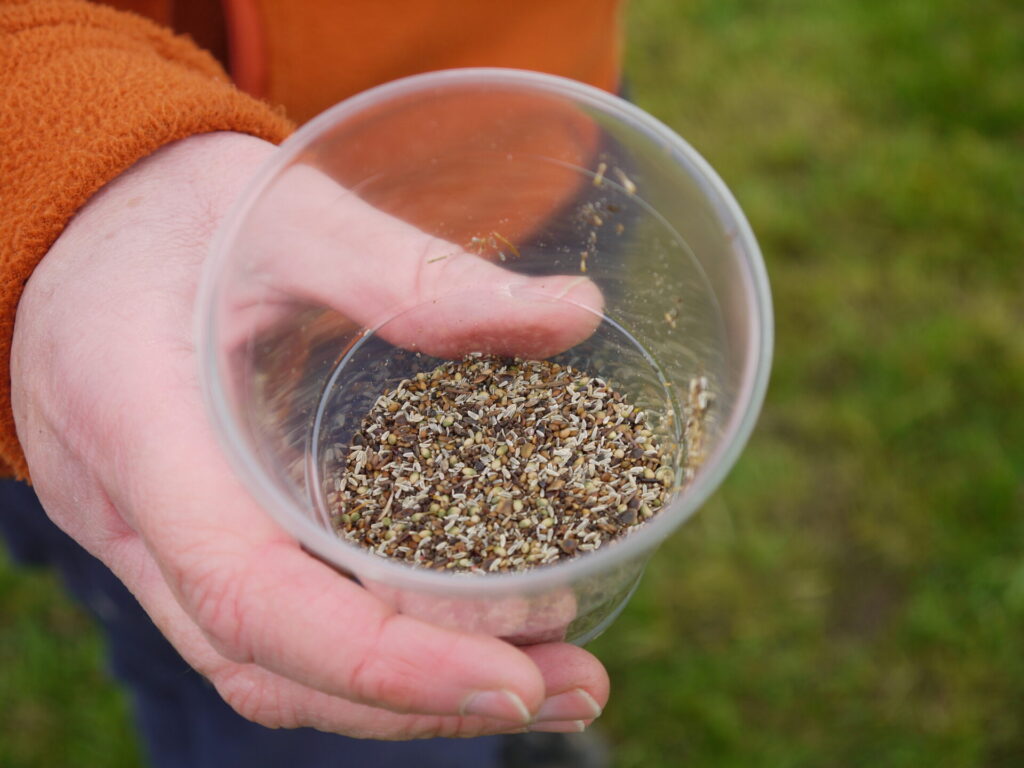
Areas of long grass that were left uncut this season were much larger than in previous years – a good sign that NCC are now comfortable with this approach and are not getting complaints.  We ran a few volunteer mornings to experiment with different methods of trying to establish wildflowers in these long grass areas (using seed or plug plants in the autumn and spring) and we plan to monitor the success or otherwise of these approaches in summer 2026.
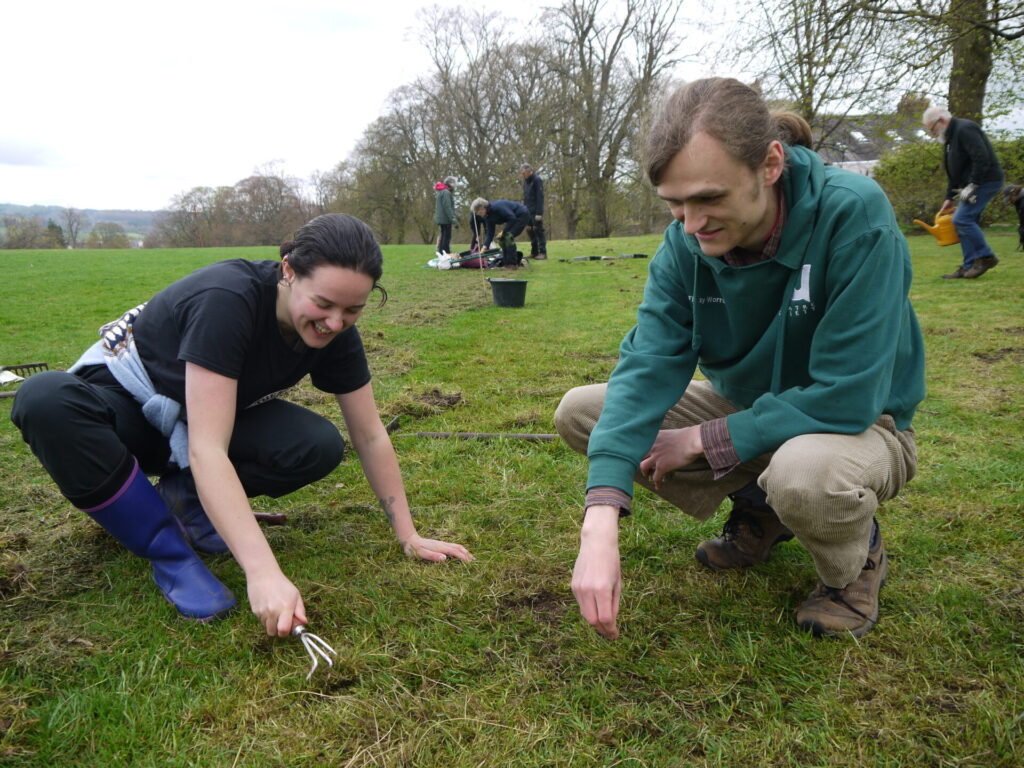
Some areas of grass and wildflowers are left to flower and set seed before they are mown. It’s great to report that immediately these areas have become feeding grounds for flocks of redwings in the autumn, and playgrounds for children in the spring.
These projects have been supported by an army of volunteers as well as the Council.

The Glade

A group of volunteers has also taken on the management of a neglected area of the park between Hexham House and the Sele.

They’ve been reviving the long border near to the Sele and enriching it with plants for pollinators. They’ve also increased the diversity of shade-loving plants under mature trees in the area known as the Glade.
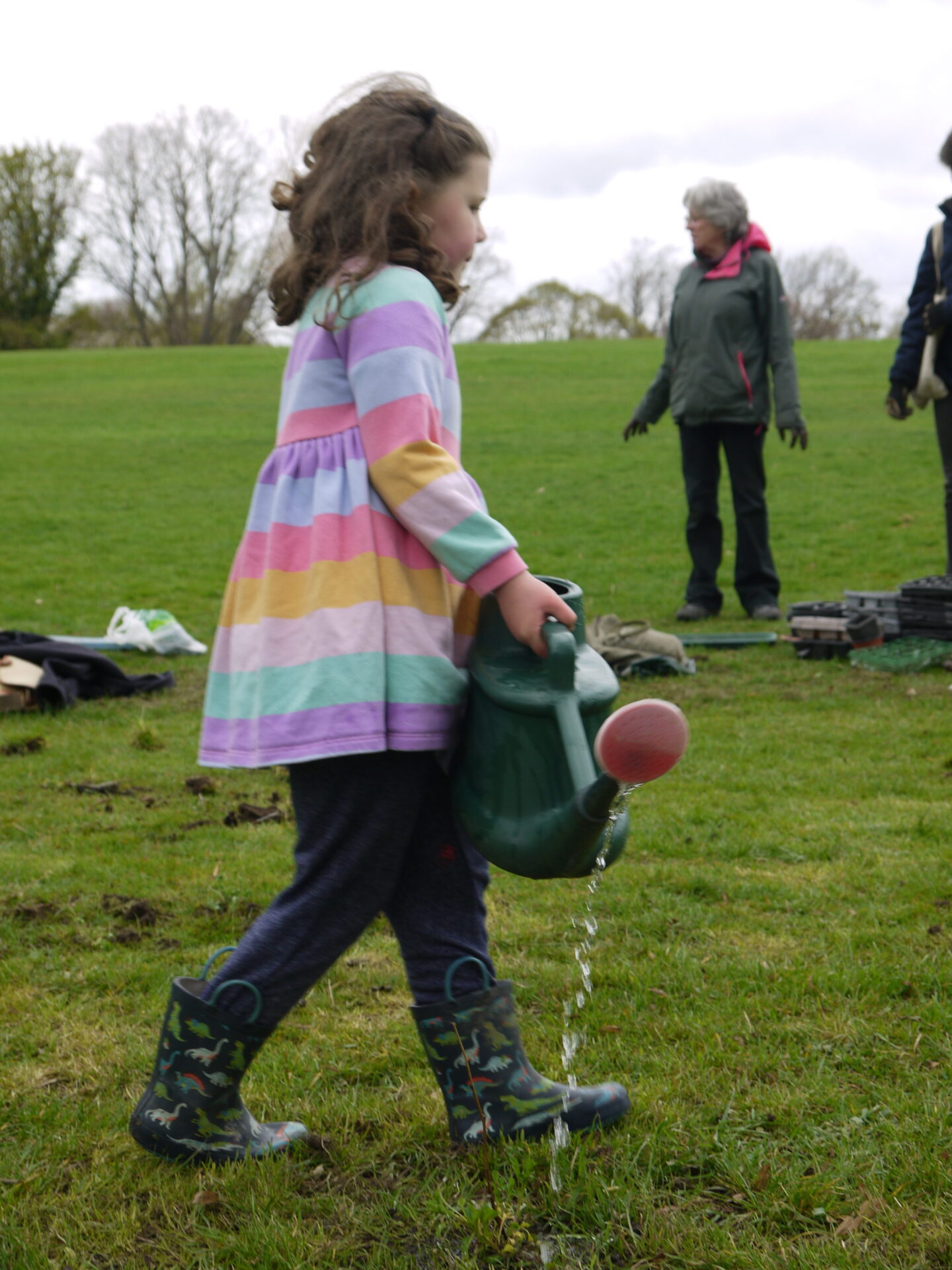
The Glade is also an important focus for our work with young people, and involves pupils from the Sele First School as well as the Youthy (Hexham Youth Initiative).
Meadows & Grasslands, Hexham West Road

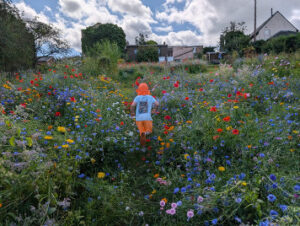
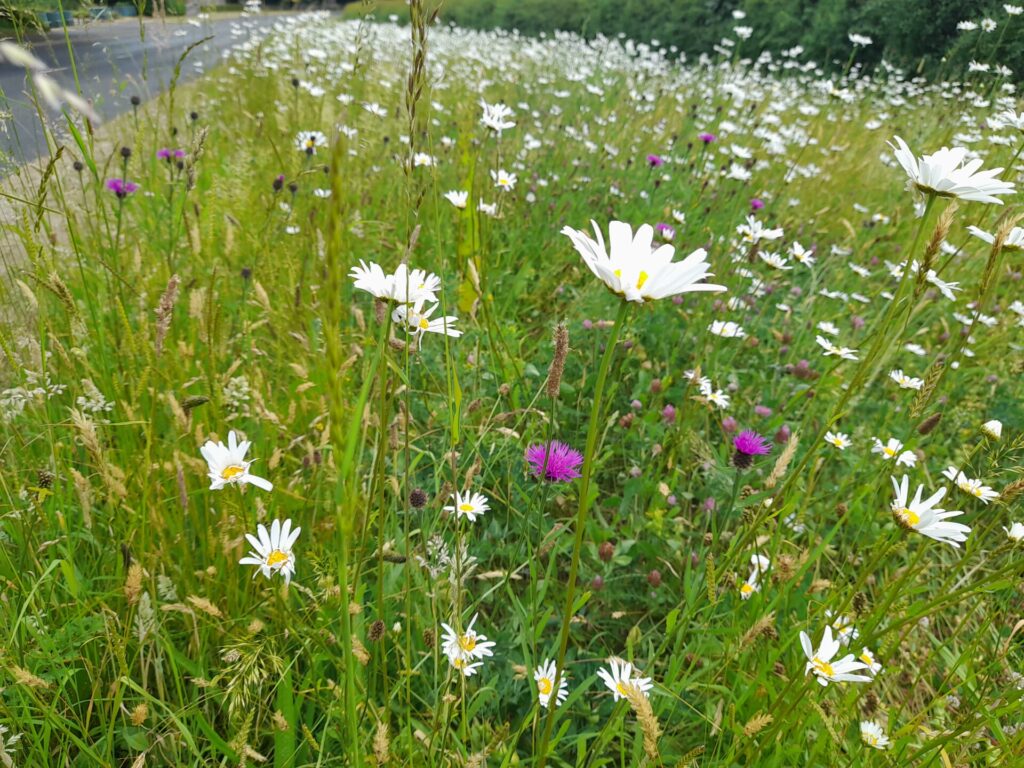
For this project, we’ve been working with Hexham Town Council since 2019 to create a wildflower meadow along the main road opposite the cemetery.

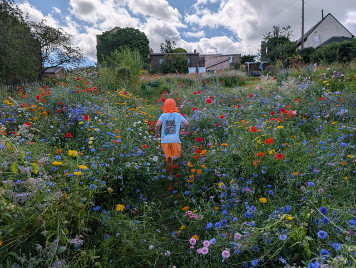
Work began by rotavating a former closely-mown grass stretch, and seeding it with a wildflower mix. The meadow’s not cut until the end of the summer, to allow new seed to set, and the hay is removed so that the soil’s richness is gradually reduced.

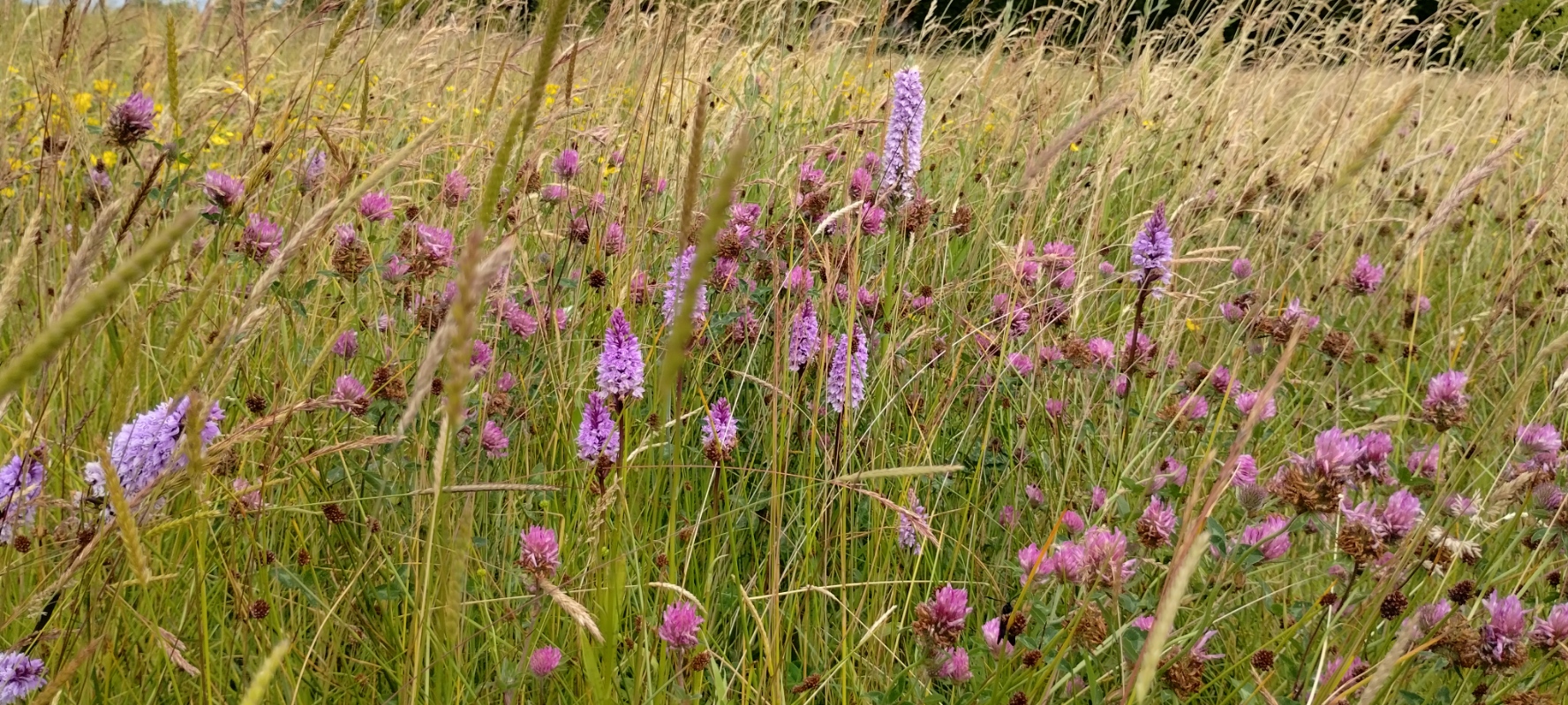
There’s now a great display of at least 25 species of wildflowers and grasses, including wild carrot, black knapweed, lady’s bedstraw and cowslips, which will all increase over time.

The meadow is alive with insects in spring and summer, and all the species we sowed have established. We keep an eye on this site to ensure the joint management between NCC and HTC continues. 

More meadow and grassland projects

Building on the success of this new meadow opposite Hexham Cemetery, we’ve been working with the County Council to identify further opportunities to make our grassland areas wildlife-friendly.

We always do this in a way which ensures that these areas look cared for, rather than abandoned. So we ensure grass is cut and collected at least once a year (unless specifically chosen as an area of developing scrub/woodland), and that all long grass areas and meadows should have close mown edges to retain sight lines and neatness in our beautiful town.

We’ve also picked up a number of projects around Hexham by listening to the concerns of local residents and their desire to see more wildlife-friendly management of their open spaces, including at Shaws Park, the Hackwood Estate, Tyne Green and Priestlands Park (in partnership with Priestlands Residents Association).
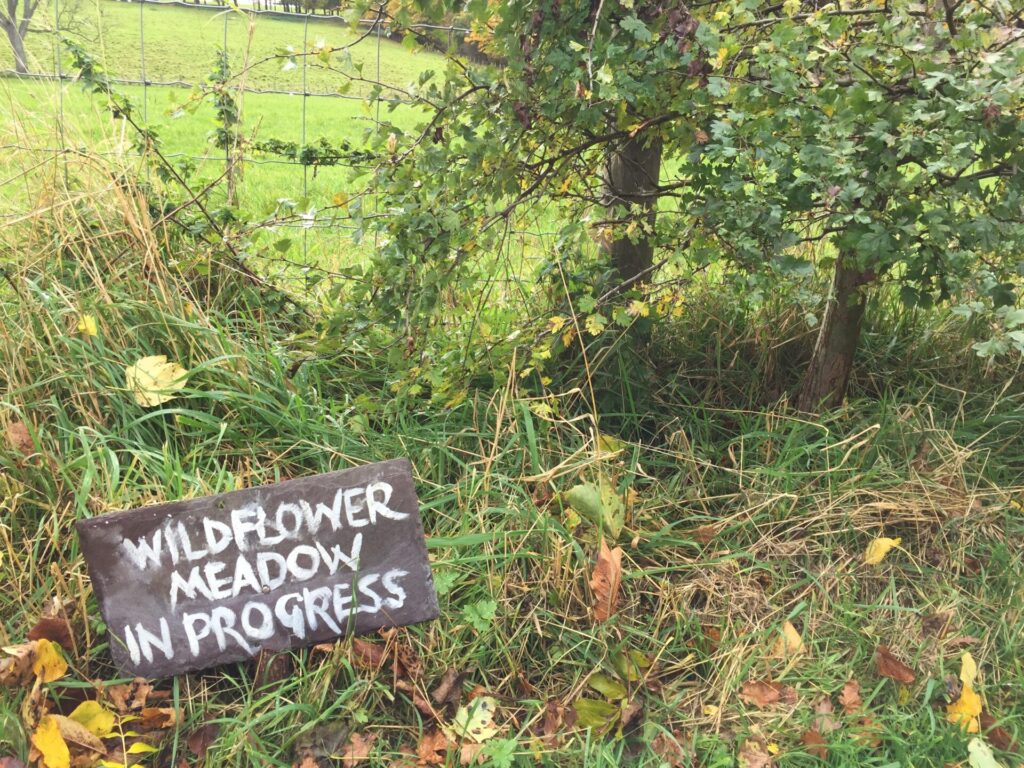
 

At the Highford Estate, there is a wonderful open area where the grass and wildflowers have been allowed to grow unchecked for over a decade, so we are taking a slightly different approach here.

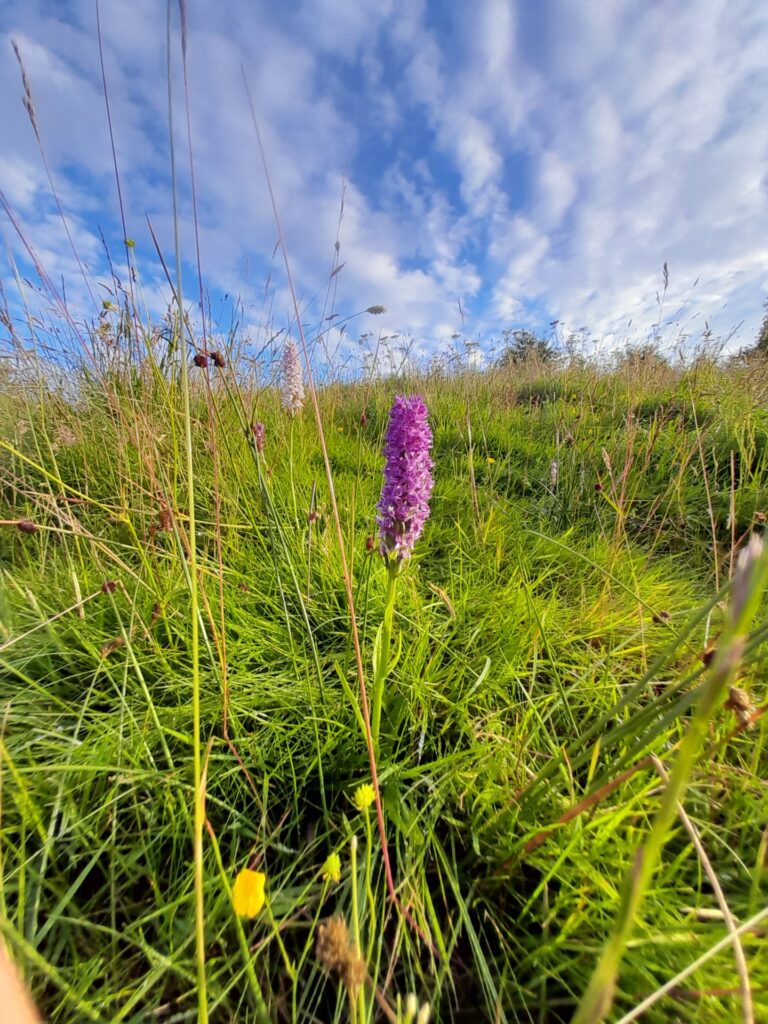
The lack of any management at all means more delicate wildflowers, like bird’s foot trefoil and northern marsh orchid will be dominated by coarser grasses and hogweed, and eventually scrub and trees.

While the latter are also important to wildlife, we aim preserve the wildflowers which still hang on here by asking the County Council to cut some of the long grass annually as meadows. We aim to survey the wildflowers in the meadow every year.
Hexham Swift Heaven

Swift are in trouble across the country. They are a priority species for conservation due to their catastrophic fall in numbers. The North East is the UK region with the greatest reduction: an 80% fall since 1995 (British Trust for Ornithology).

They are suffering from the combined effects of climate change, the loss of insects (on which they rely for food) and the loss of nesting sites as we change our buildings in ways which offer fewer places for swifts (swifts choose to nest, almost exclusively, in holes in walls and under roof eaves). 

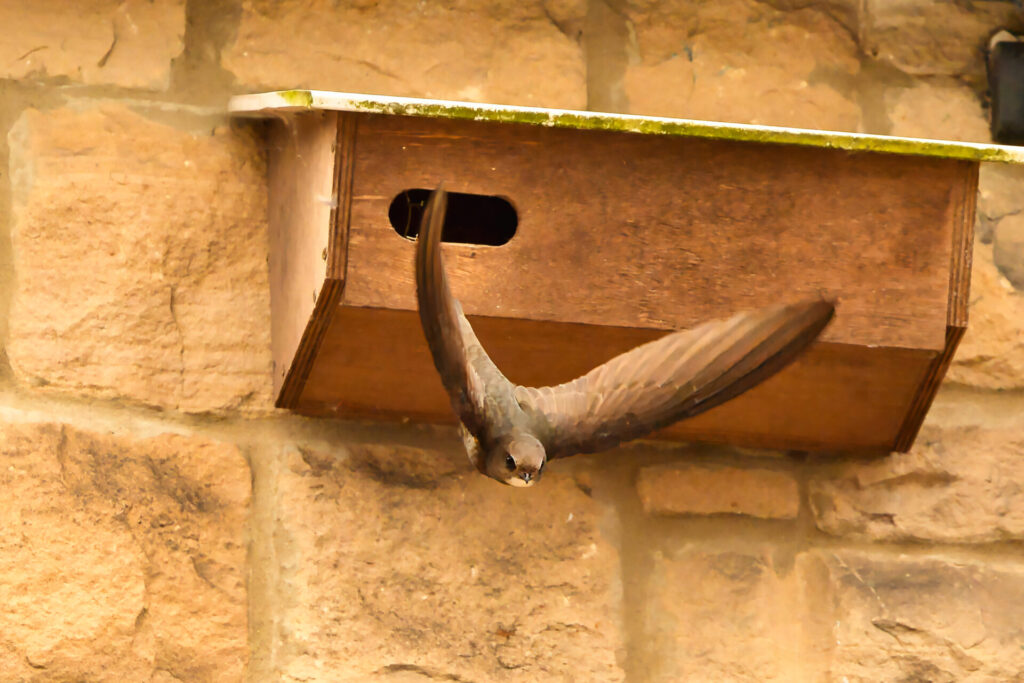
In 2021 we started a project with the aim of supporting the population of swifts returning to Hexham each year and providing them with more nesting sites. We’ve supplied over 70 swift nest boxes so far and our trusty band of volunteers conduct annual surveys of swifts each summer to monitor their numbers.

It’s not unusual for swifts to take some time to occupy new boxes. In 2024 and 2025 we recorded the first use of two of these boxes.  Thanks to Graham Turner of the Hexham and District Photographic Society we have some images of one box being used. 

If you would like to read more about swifts, their extraordinary lifestyle and how to help them then Swift Conservation covers it all. 

If you would like to get involved by joining our volunteers or putting up nest boxes  then you can get in touch via our Get Involved page or email us.


Hexham Town of Trees

Hexham Space for Nature volunteers believe that all our public spaces should have management plans which consider the future of our beautiful trees.
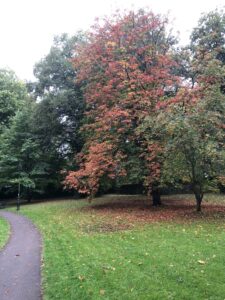
Hexham is very fortunate to have many trees already, but none of them lasts for ever, and it’s important to replace those affected by disease or simply at the end of their lives.

We also need to make sure we plant the ‘right trees in the right place’. There are areas where new street trees would be appropriate, and succession planning needs careful thought in designed landscapes like the Sele and Tyne Green.

We have drafted a Hexham-wide Tree Strategy, with the hope that landowners and other stakeholders will sign up to its principles and conclusions.
Prudhoe Space for Nature (PS4N)

PS4N volunteers have been improving and creating biodiverse spaces in Prudhoe since 2021. Our two main projects are currently on the Wildlife Garden and Stoneyflat Bank sites where we have work parties twice a week.  We are also involved in a range of other smaller projects in the town, including the management of the Co-op Bee Bed, and we are a member of the Prudhoe Goes Green group.                                                                                       

Wildlife Garden

This scrubby piece of wasteland in the centre of the town has been transformed into a habitat rich tranquil space benefitting both wildlife and local visitors. 

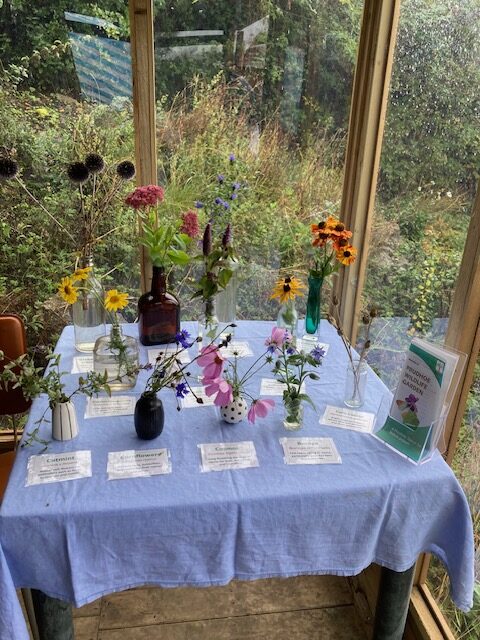
Wildflower meadows, an orchard, ponds, beds full of perennial plants, hedges, nest boxes, pollinator hotels and a hibernaculum are providing food and shelter for a wide range of wildlife throughout the year.  The number of species – most noticeably bees and butterflies – visiting the site has improved considerably since work began there. 

The addition of a Nature Hub in 2025 now provides a sheltered space for small groups of adults and children interested in natural history to meet. 

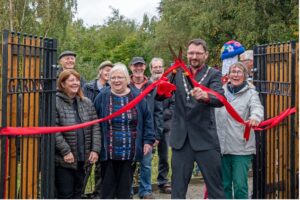
The Wildlife Garden was officially opened by the Mayor of Prudhoe in September 2025 – a really lovely occasion – and coincided with us being awarded a Level 5 – Outstanding – certificate from Northumbria in Bloom and the RHS with the Wildlife Garden being described as a haven.

Stoneyflat Bank

With permission from Northumberland County Council, we began work on the management of grassland and a small woodland adjacent to the Wildlife Garden last year.  We’ve started work on improving the biodiversity of the area by creating a meadow, opening up the woodland to light and hedge-planting. It was very clear from early on in the project that invertebrates were already benefitting from the work we had begun on the grassland.  Watch this space!

Bee Bed

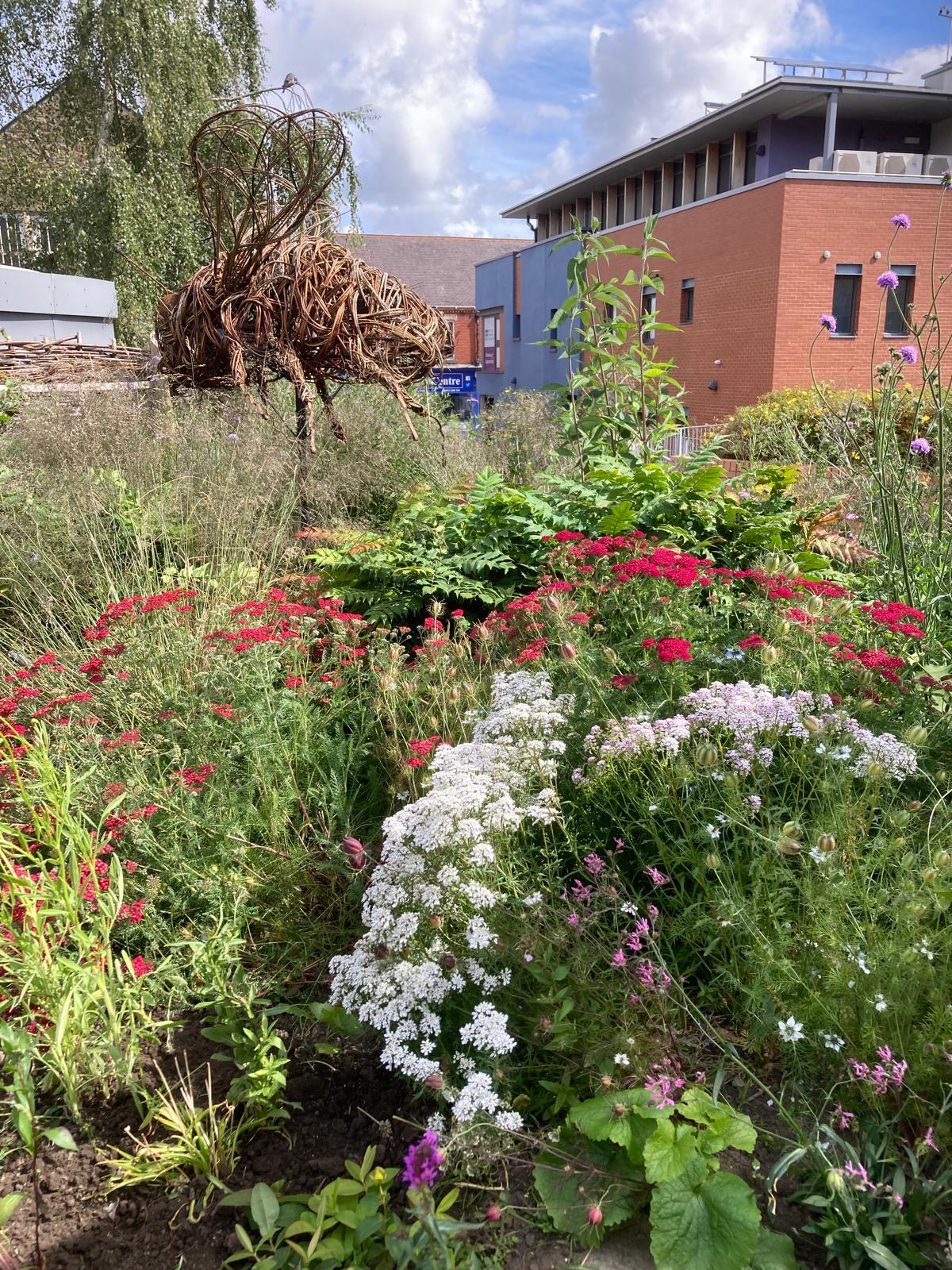
Located outside the Co-op in Prudhoe, the planting around the willow bee sculpture in the centre of this bed has been designed to attract pollinators and offer ideas as to what we can all plant in our own spaces to benefit wildlife.

For further information email prudhoespace4nature@gmail.com

So How can I get involved?

Together We Change The World For The Better. Transition Tynedale is entirely reliant on the energy and commitment of our volunteers to make its projects happen.
Scroll to Top